
Lime plaster, six months on
We specified lime plaster throughout a Bloomsbury apartment last winter, floor to cornice, in place of the skim-and-emulsion finish the builder expected. Six months later the client asked whether we would do it again. The honest answer is yes, but not everywhere, and not without warning people first.
What it actually is
Lime plaster is a breathable mineral finish applied in two or three thin coats and burnished rather than painted. It has no plastic in it, which is the point: moisture passes through it instead of being trapped behind a sealed surface. In a solid-wall building with no cavity, that matters more than any aesthetic argument.
How it behaves in a lived-in house
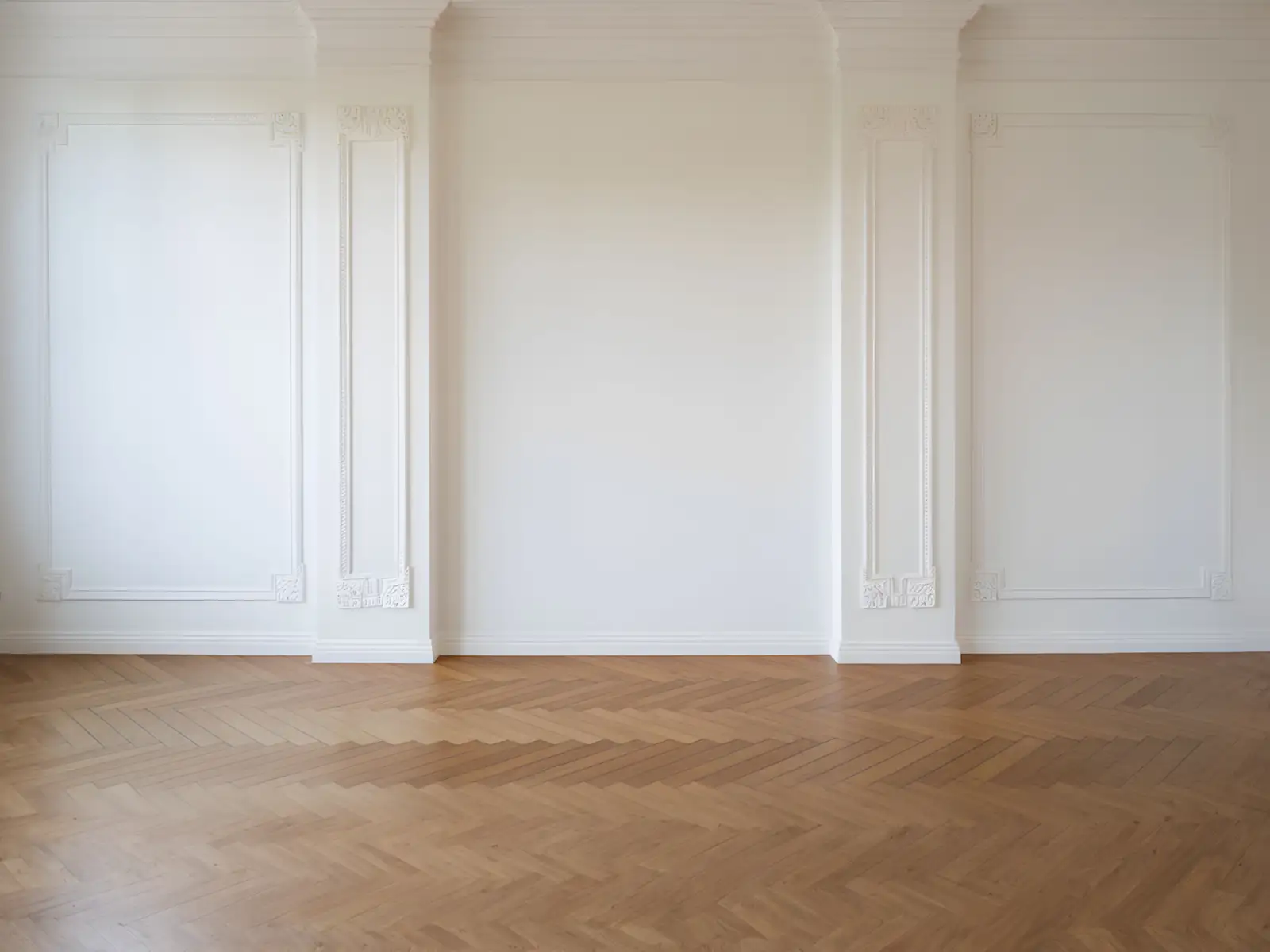
The surface is not flat, and it is not meant to be. Light moves across it through the day in a way emulsion simply cannot reproduce — the wall reads as a soft, slightly varied plane rather than a printed colour. In the north-facing rooms this was the difference between cold and calm.
Where it disappoints
It marks. A chair back against a wall will burnish a shine into it, and children's hands leave a record. It is repairable, but repair means a plasterer, not a tin of touch-up paint. In a family kitchen we would now use it only above splash height.
What it costs
Expect roughly three times the cost of a painted skim finish, driven almost entirely by labour — the material itself is cheap. It also adds two to three weeks to the programme because each coat has to cure.
Would we specify it again
In period rooms, hallways and bedrooms, without hesitation. In utility spaces and children's rooms, no. The decision is less about budget than about who lives in the room and how hard they use it.
This article reflects the studio's own project experience and is offered as general guidance, not a specification. Every building behaves differently.
Tell us about the house
Send us the rough shape of it — rooms, timing, and what isn't working. We'll come back with whether we're the right studio for it, honestly.
Tell us about the house
Send us the rough shape of it — rooms, timing, and what isn't working. We'll come back with whether we're the right studio for it, honestly.
